

Views: 0 Author: VIGORAWINDOWS Publish Time: 2026-04-13 Origin: Site


In overseas window and door sourcing, many distributors and project contractors often ask a very practical question: Are uPVC windows really energy efficient? Do they perform well in hot or cold climates?
This article will explain everything in a simple and clear way. Based on different climate scenarios and real project experience, it will help you quickly understand whether uPVC windows energy efficiency is suitable for your market.
uPVC windows energy efficiency refers to the ability of windows to reduce heat transfer between indoor and outdoor environments. Simply put:
Keep hot air outside in summer
Keep indoor heat inside in winter
If windows have good energy performance, they can bring:
Lower air conditioning and heating costs
More stable indoor temperature
Better comfort for end users
Authoritative Reference:
According to the International Energy Agency (IEA), building envelopes (including windows) can affect up to 30% of a building’s energy consumption.
This means choosing the right windows has a huge impact on long-term costs.
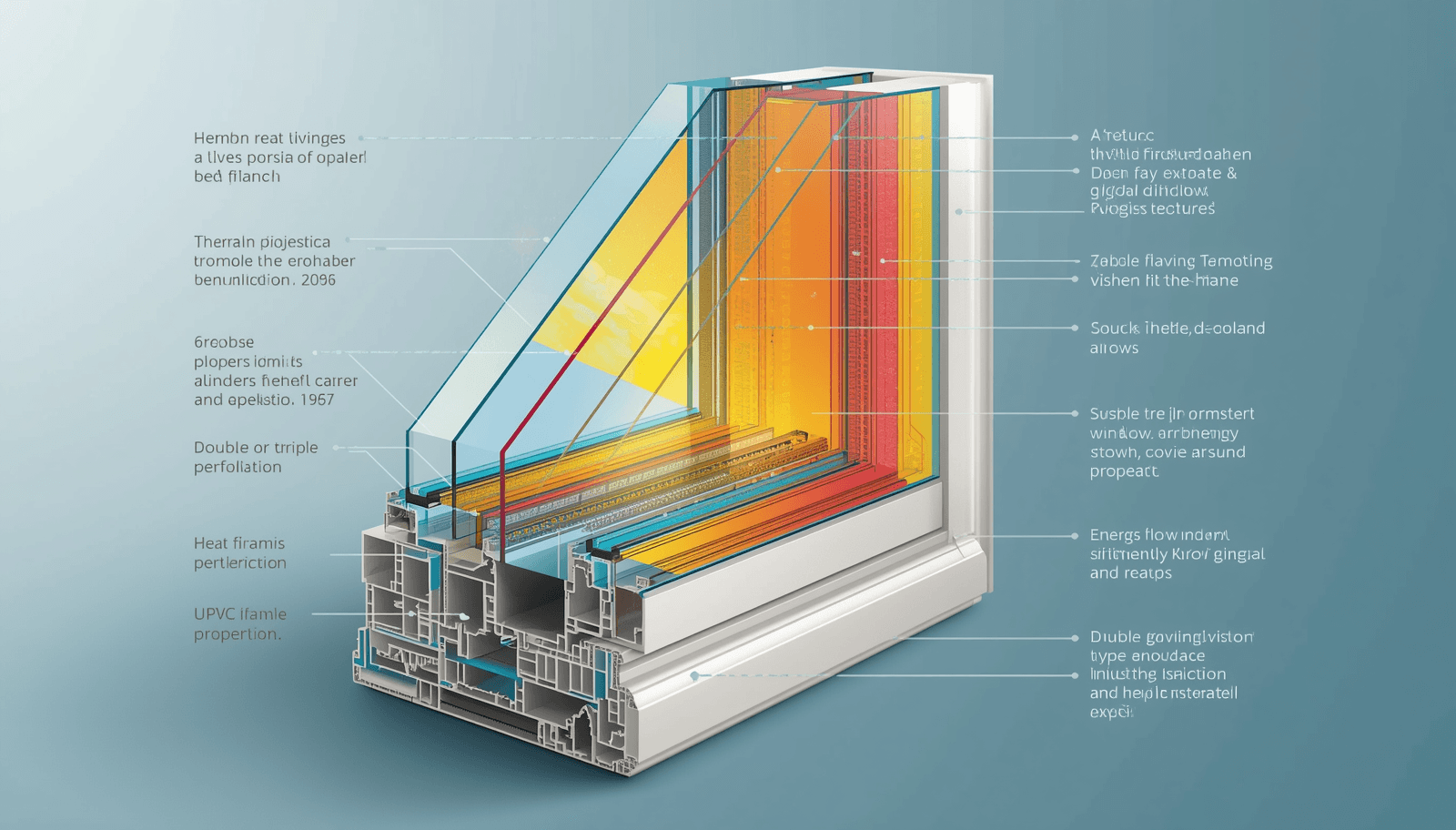
Many customers ask: Why are uPVC windows more energy efficient than standard windows?
The answer is simple. It mainly comes from three key factors:
1. Multi-Chamber Structure
The internal structure of uPVC profiles contains multiple chambers, which help reduce heat transfer.
It works like a thermos — more air layers mean better insulation.
2. Double or Triple Glazing
Common configurations include:
double glazing
triple glazing
Low-E glass
Authoritative Reference:
The U.S. Department of Energy (DOE) states:Using double glazing can significantly reduce heat loss and improve overall energy performance.
3. High-Quality Sealing System
High-quality uPVC windows usually come with:
multiple sealing strips
better air tightness
This reduces air leakage effectively.
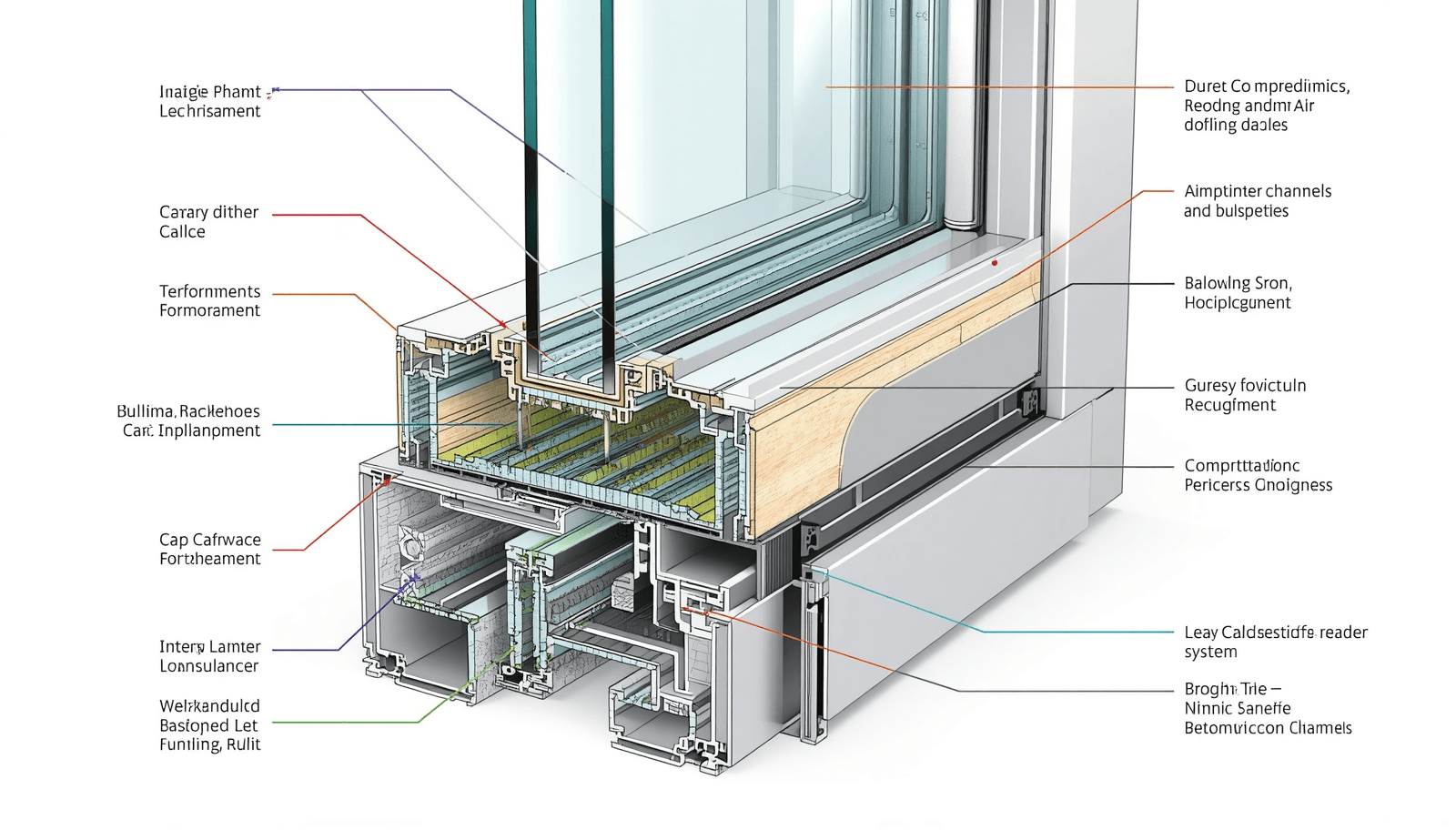
For markets such as the Middle East, Africa, and Southeast Asia, customers care more about heat insulation.
Advantages of uPVC windows:
Reduce solar heat entering the room
Lower air conditioning usage
Maintain stable indoor temperature
When combined with:
Low-E glass
tinted glass
The performance becomes even better.
Authoritative Reference:
The United Nations Environment Programme (UNEP) mentions:Improving building envelope insulation is a key measure to reduce energy use in tropical climates.
Real Project Feedback (Based on Our Clients)
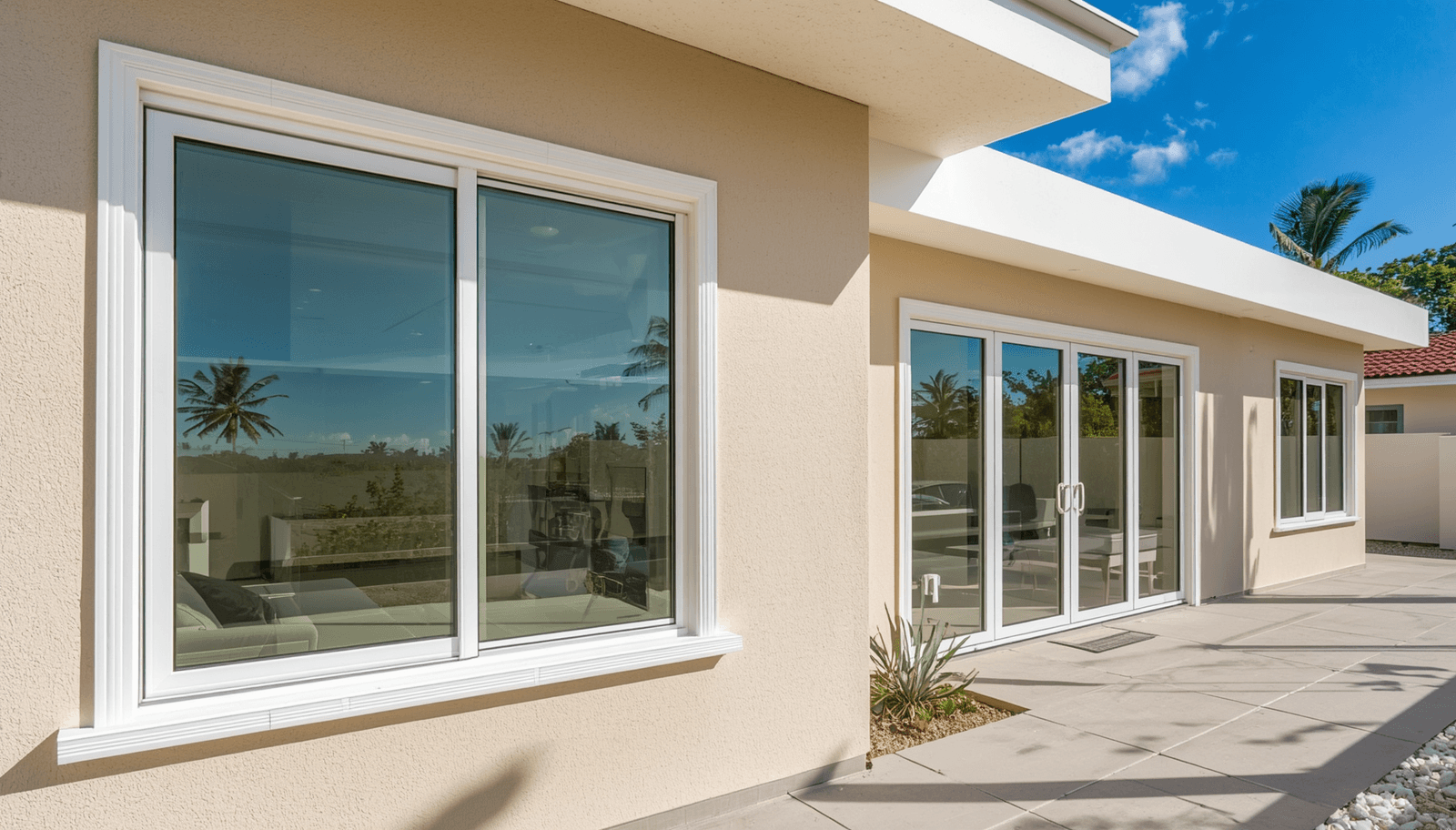
In Middle Eastern markets, our clients reported:After using uPVC sliding windows
Indoor temperatures dropped noticeably
Air conditioning energy consumption reduced by about 15%–25%
This is a very strong selling point for distributors.
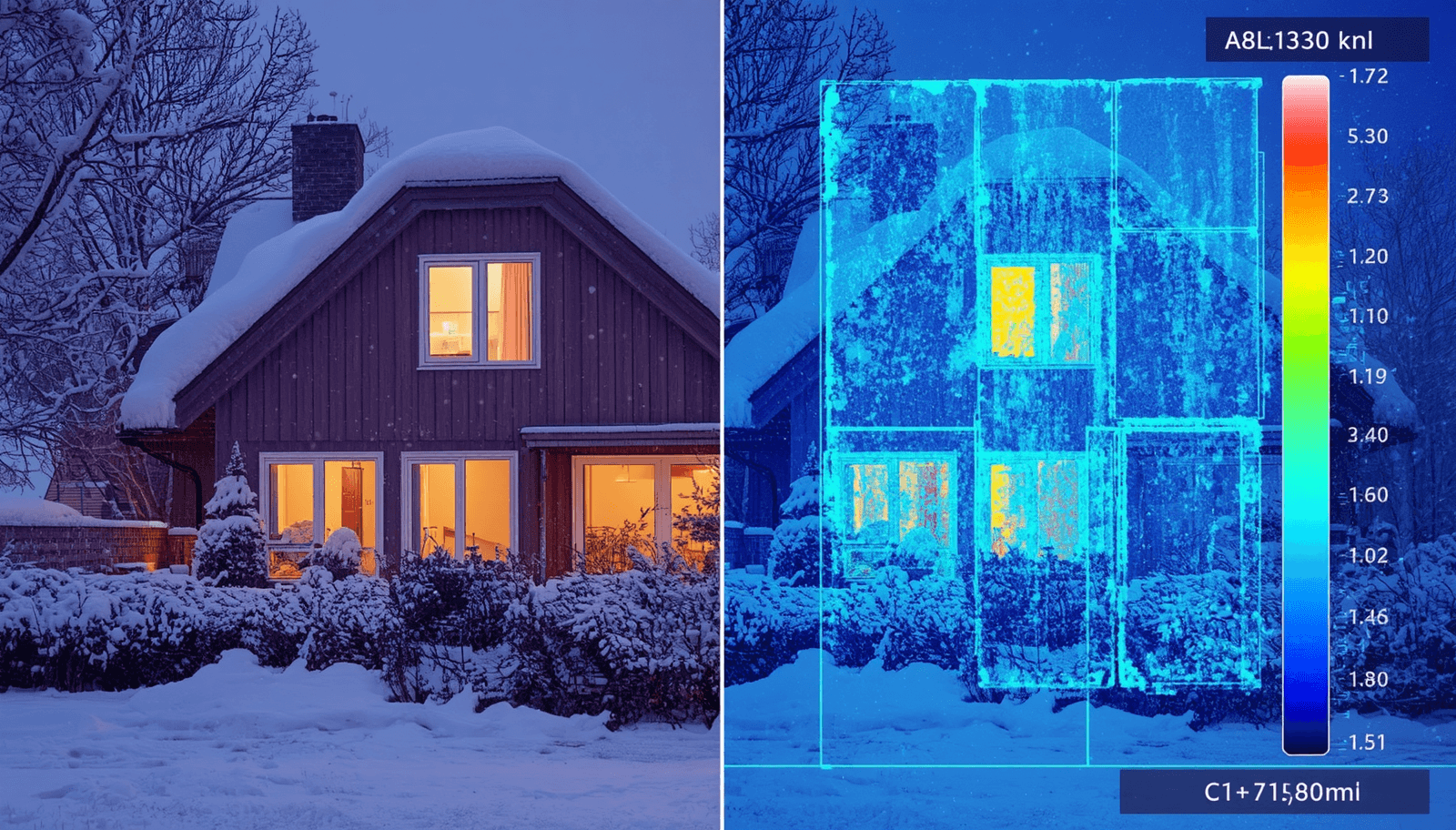
In some South American high-altitude or cold regions, the focus is on heat retention.Performance of uPVC windows:
Reduce indoor heat loss
Prevent cold air infiltration
Improve indoor comfort
Especially when using:
triple glazing
double sealing systems
The performance is even better.
Authoritative Reference:
The World Green Building Council states:High-performance windows can significantly reduce heating demand and improve overall building energy efficiency.
Comparison with aluminum windows
Item | uPVC windows | aluminum windows |
Thermal conductivity | Low | High |
Insulation | Excellent | Moderate (needs thermal break) |
Cost | More competitive | Higher |
For price-sensitive markets (Africa, South America), uPVC is easier to promote
As a supplier focused on overseas markets, VIGORAWINDOWS understands the real needs of distributors.Our Advantages:
1. Diverse Product Range
uPVC windows
uPVC doors
aluminum windows
aluminium doors
Suitable for residential, commercial, and project use
2. Competitive Pricing
Ideal for bulk purchasing
Helps distributors increase profit margins
3. Fast Delivery
Stable supply chain
Shorter project timelines
4. Customization
Sizes
Glass options (double / triple / Low-E)
Hardware systems
5. Market-Focused Solutions
We mainly serve:
Middle East (hot climate)
Africa (price-sensitive markets)
Southeast Asia (high humidity)
South America (varied climates)
We provide tailored solutions instead of one standard product.
If you are a distributor, you can follow this simple logic:
Step 1: Consider Climate
Hot regions → focus on insulation (Low-E + double glazing)
Cold regions → focus on heat retention (triple glazing)
Step 2: Consider Budget
Mid/low-end market → standard double glazing
High-end market → triple glazing
Step 3: Consider Project Type
Residential → energy efficiency + sealing
Commercial → appearance + durability
Step 4: Choose a Reliable Supplier
Stable supply + customization + consistent quality
This is critical for long-term cooperation
1. Are uPVC windows energy efficient in hot climates?
Yes, especially when combined with Low-E glass, they can effectively reduce indoor temperature and energy use.
2. How long do uPVC windows last?
Typically 20–30 years, depending on material quality and installation.
3. Are uPVC windows better than aluminum windows?
uPVC is better in terms of energy efficiency and price, while aluminum is preferred for high-end appearance projects.
4. What glass is best for energy efficient windows?
double glazing (standard)
triple glazing (high-end)
Low-E glass (recommended)
5. Can uPVC windows reduce electricity bills?
Yes, especially in hot climates, the energy-saving effect is very noticeable.
For overseas window and door distributors, choosing the right product is more important than just comparing prices.
uPVC windows energy efficiency is not just a technical feature — it directly affects end users’ long-term costs and comfort.
If your target markets are in the Middle East, Africa, Southeast Asia, or South America:uPVC windows could be one of your key products to increase sales and profits.
Working with a supplier like VIGORAWINDOWS, with price advantages, stable delivery, and customization capabilities, can help you enter the market faster and build long-term competitiveness.


