

Views: 0 Author: VIGORAWINDOWS Publish Time: 2026-02-13 Origin: Site


Table of Contents
When overseas distributors are sourcing windows and doors for projects, “price difference” is often the first question they ask. Especially in markets such as the Middle East, Africa, Southeast Asia, and South America—where buyers are cost-sensitive but still value durability—customers usually make direct comparisons:
How much is the price difference between uPVC windows and aluminium windows in bulk orders?
In fact, there is no single answer to this question. Pricing depends not only on the material itself, but also on structural design, glass configuration, hardware systems, order quantity, transportation methods, and many other factors. Below, we will combine VIGORAWINDOWS’ real export business experience to systematically analyze the price gap and the logic behind it in bulk orders.
From the perspective of raw materials, uPVC usually has a more obvious price advantage.
1. Raw material sources and cost structure
uPVC (Unplasticized Polyvinyl Chloride) belongs to plastic steel profiles.
Aluminium is a metal profile that requires smelting and extrusion processes.
Aluminium prices are more affected by fluctuations in the global metal market.
According to public data from the International Aluminium Institute:
“Aluminium production is energy-intensive, making its price sensitive to electricity and raw material costs.”
This means that when energy prices rise, aluminium profile costs increase significantly, while uPVC is less affected.
2. Bulk procurement unit price range (industry reference)
Taking standard configurations (double glazing, regular hardware) as an example:
| Product Type | Bulk Unit Price Range (FOB) |
| uPVC windows | $45–80 / m² |
| aluminium glass window | $70–120 / m² |
In bulk orders, uPVC is usually 20%–35% lower than aluminium.
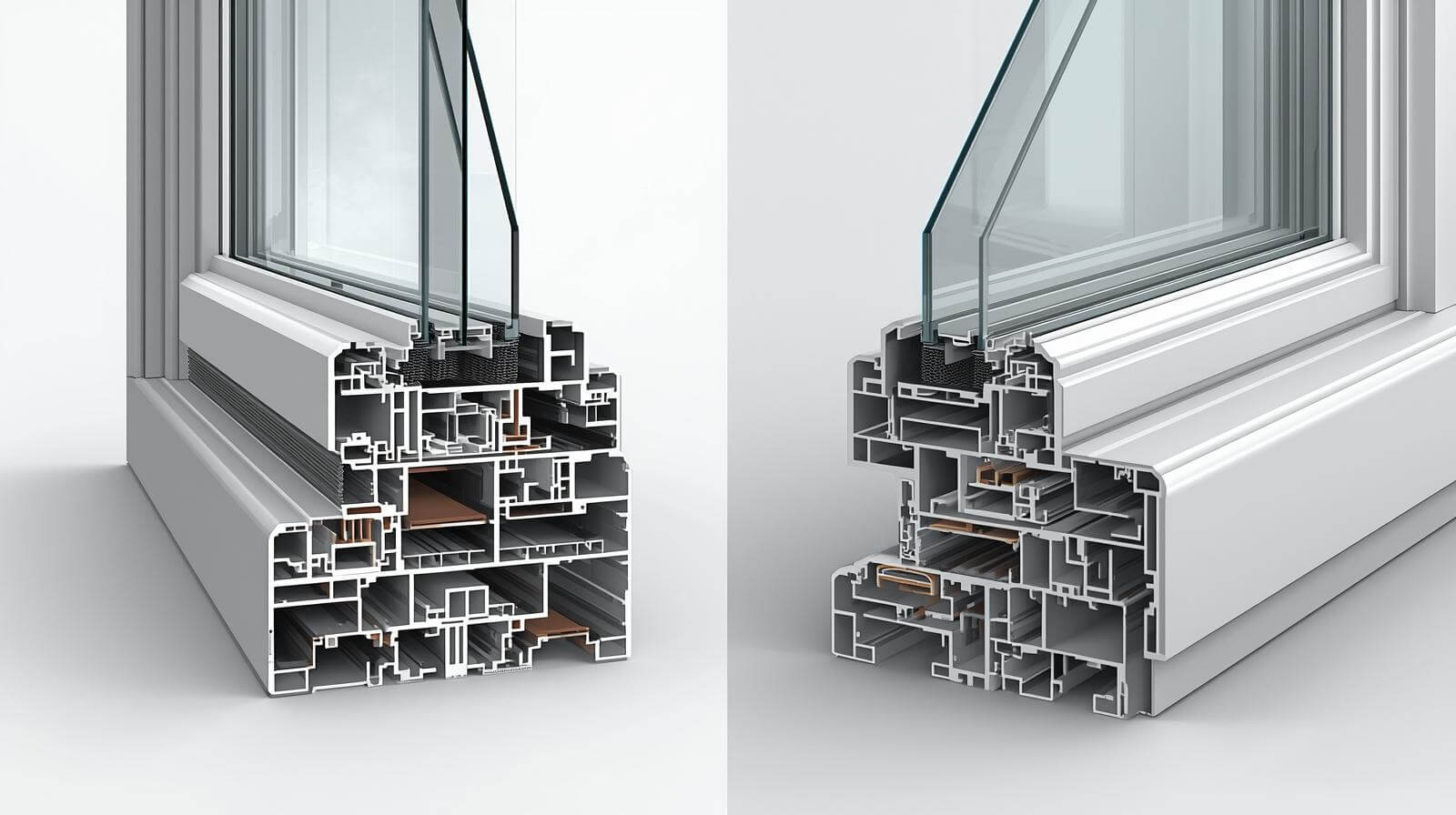
Although aluminium is more expensive, distributors are still willing to purchase it because of performance differences.
1. Strength and size capability
Aluminium has higher strength.
It can be used for extra-large windows and floor-to-ceiling designs.
It is suitable for commercial projects and high-rise buildings.
uPVC is more suitable for residential and medium-size window openings.
According to a UN-Habitat building materials report:
“Lightweight metals such as aluminium are widely used in urban high-rise facades due to their strength-to-weight ratio.”
2. Service life
Aluminium: More than 20–30 years
uPVC: 15–25 years
In high-temperature and high-UV regions (such as the Middle East and Africa), aluminium shows more stable weather resistance.

In real export orders, material is not the only determining factor.
1. Glass configuration
| Configuration | Price Impact |
| Single glazing | Base price |
| Double glazing | +15%–25% |
| Low-E | +25%–40% |
According to research from the International Energy Agency (IEA):
“Double glazing can reduce heat loss by up to 50% compared to single glazing.”
This is also why customers in the Middle East and Southeast Asia widely adopt double glazing.
2. Hardware systems
German hardware is more expensive than domestic hardware.
Heavy-duty roller systems cost more.
Folding door hardware has the highest cost.
3. Surface treatment (aluminium only)
| Process | Price Impact |
| Powder coating | Base |
| PVDF coating | +20% |
| Wood grain transfer | +25% |
4. Order quantity
Based on VIGORAWINDOWS’ actual export orders:
Under 50 sets: Higher unit price
100–300 sets: Price decreases by 8%–15%
Full container orders: Best pricing

Different regions have different acceptance levels regarding price differences.
Middle East Market
Prefers aluminium
Focuses on heat resistance and sand resistance
Accepts higher unit prices
African Market
More price-focused
Higher proportion of uPVC
Southeast Asia
Balanced demand for both
Humid climate promotes uPVC growth
According to the World Bank building energy efficiency program report:
“Affordable insulation materials are key to improving building efficiency in developing regions.”
Because of its insulation performance and lower cost, uPVC demand continues to grow in developing countries.
South American Market
Residential projects dominate
Custom-color aluminium demand is increasing
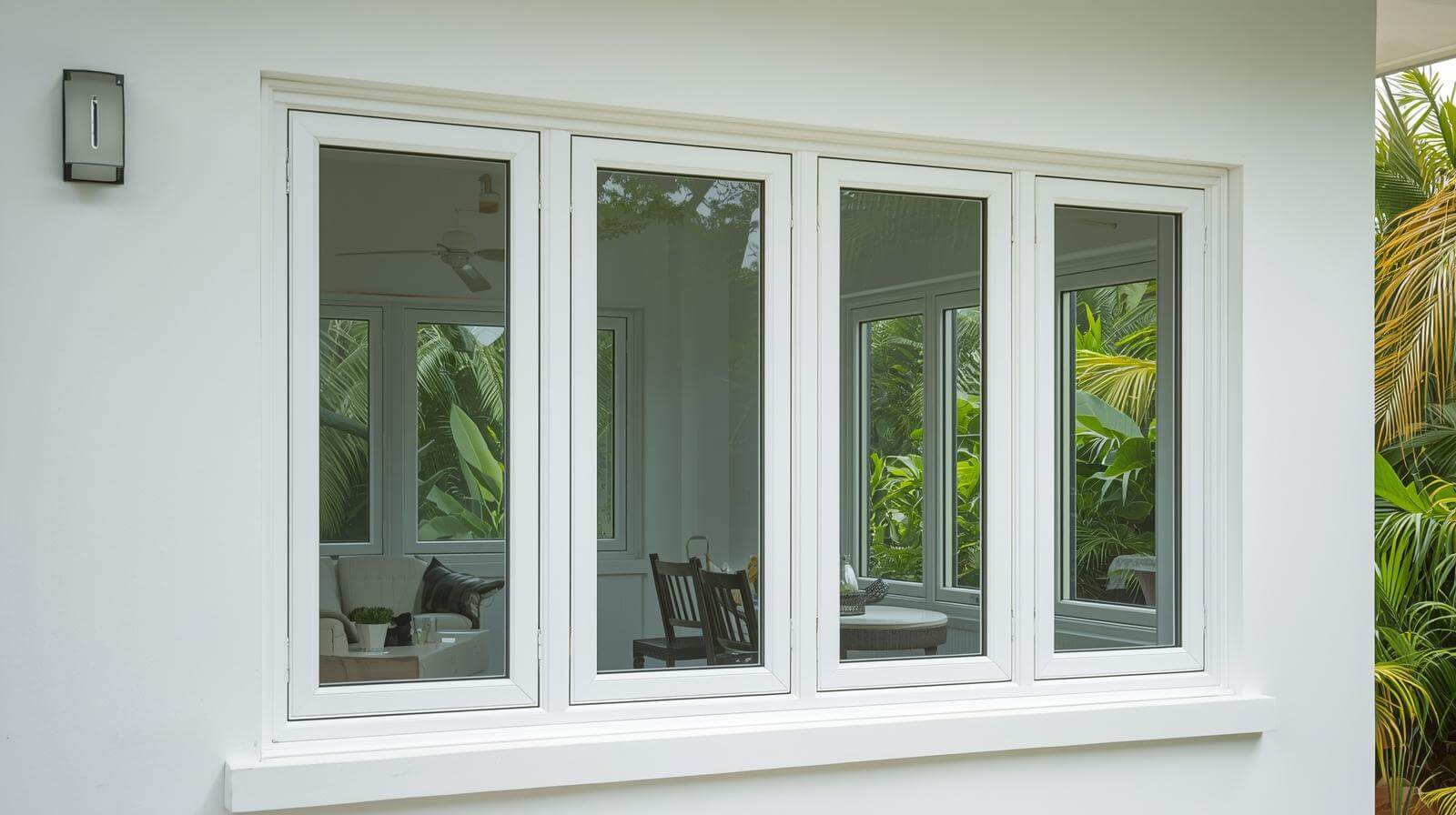
In bulk procurement decisions, distributors evaluate not only unit prices but also supplier capabilities.
1. Product diversification
As a professional upvc door and window company and aluminium window manufacturer, we provide:
aluminum windows
aluminium doors
UPVC windows
UPVC doors
This enables one-stop procurement for distributors.
2. Customization capability
We support:
custom upvc window size customization
Color customization
Glass configuration customization
Hardware brand customization
This is especially important for project supply.
3. Source of price advantage
Our price advantage does not come from low pricing alone, but from:
China’s mature supply chain
Bulk raw material procurement
Standardized production processes
Therefore, we maintain competitiveness while ensuring product quality.
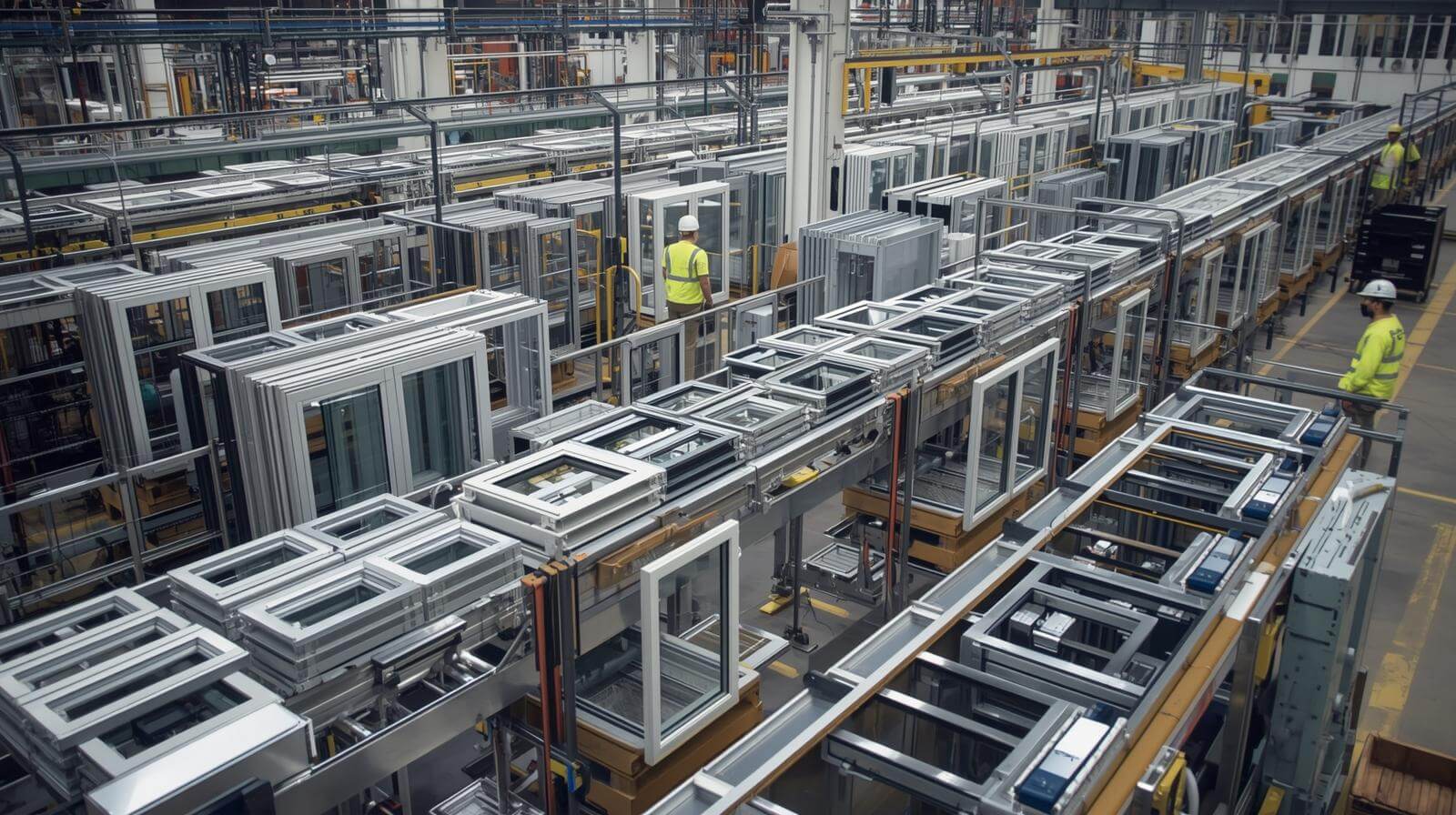
4. Fast delivery
Regular orders: 15–25 days
Project orders: 30–40 days
Full container and LCL both supported
This is critical for projects with tight schedules.
If distributors want to quickly evaluate the price difference, they can follow this logic:
1. Project type
Residential → uPVC is more economical
Commercial → aluminium is more suitable
2. Window size
Large size → aluminium
Standard size → uPVC
3. Budget positioning
Low-cost projects → uPVC
High-end projects → aluminium
A Practical Example from Our Export Experience
In a 200-unit residential window project we supplied to an African distributor:
Total uPVC solution price: About $38,000
Total aluminium solution price: About $52,000
The difference was about 27%, but:
Aluminium was more suitable for high-end housing sales.The client finally chose mixed procurement (70% uPVC + 30% aluminium).This combination is also a mainstream strategy among many distributors today.
When discussing the bulk price difference between uPVC and aluminium windows, the essence is not simply “which is cheaper,” but rather:
Different project positioning
Different market demands
Different performance requirements
uPVC stands out for cost performance and energy efficiency, making it suitable for large-volume residential projects.Aluminium, with its strength, size capability, and appearance advantages, is more suitable for commercial and high-end developments.
For overseas distributors, the ideal approach is often not choosing one over the other, but combining product lines based on market needs.
VIGORAWINDOWS follows this strategy by providing flexible bulk customization solutions—ensuring quality, delivery time, and competitive pricing while helping distributors achieve higher profit margins and project success rates in regional markets.


