

Views: 0 Author: VIGORAWINDOWS Publish Time: 2026-03-30 Origin: Site


When communicating with overseas clients, you’ll notice a very practical issue: buyers don’t just care about price—they care more about whether the size fits their market, whether the configuration sells well, whether shipping is efficient, and whether installation is easy.
For a Chinese supplier like VIGORAWINDOWS, if you understand in advance the preferences of different markets for uPVC window sizes and configurations, you can not only improve inquiry conversion rates but also reduce repeated communication costs.
This article will clearly and simply explain real buyer preferences and, based on our export experience, show which sizes and configurations are easier to sell.
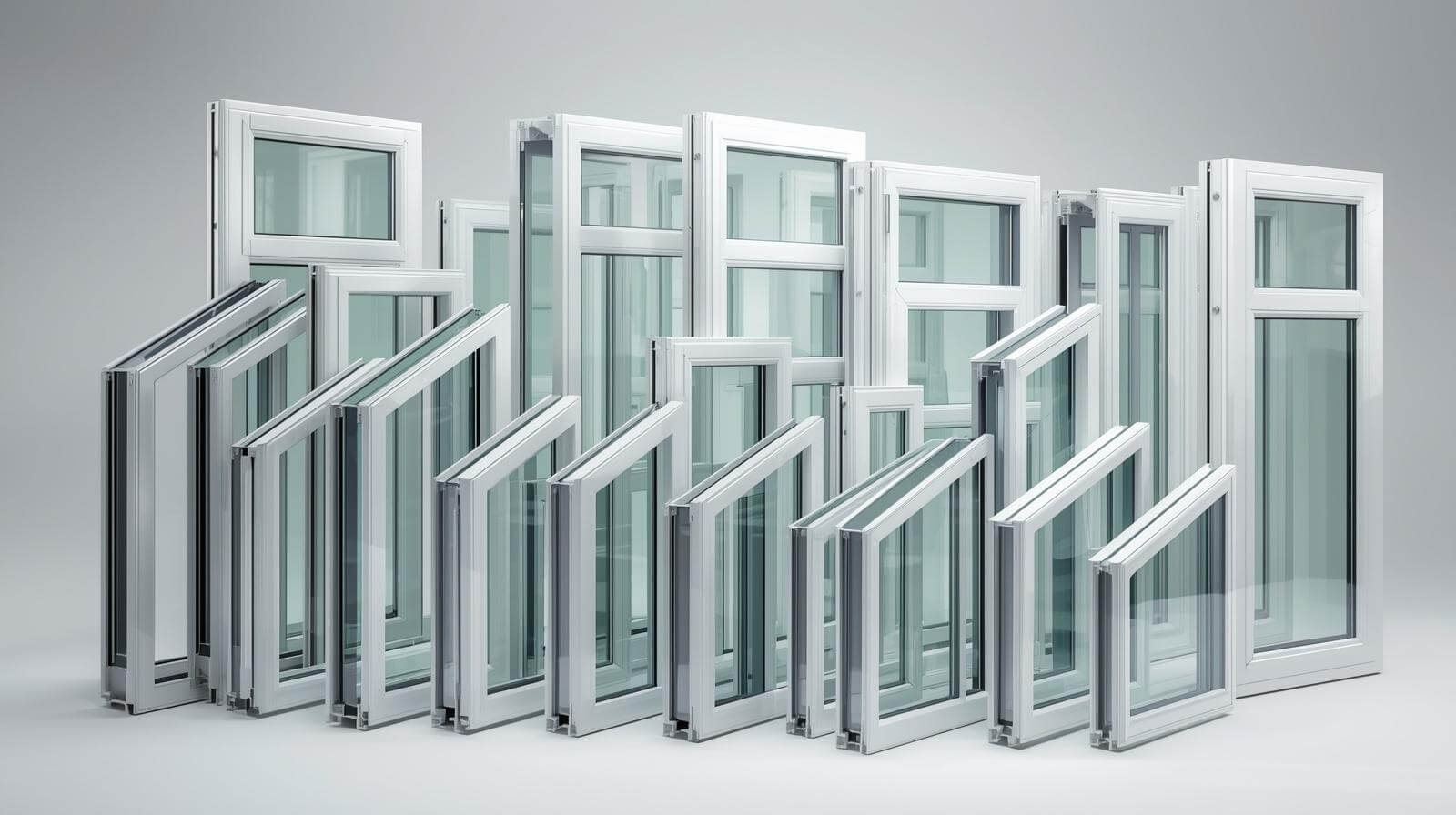
Different countries have different building habits, but in actual export business, we have summarized some high-frequency standard size ranges:
1. Common Size Ranges (Suitable for Most Markets)
Width: 600mm – 1500mm
Height: 600mm – 1800mm
Small windows (bathroom/kitchen)
600 × 600mm
800 × 800mm
Medium windows (bedroom/living room)
1000 × 1200mm
1200 × 1500mm
Large windows (floor-to-ceiling/balcony)
1500 × 1800mm or larger
These sizes are very common in the Middle East, Africa, and Southeast Asia because:
Easy for mass production
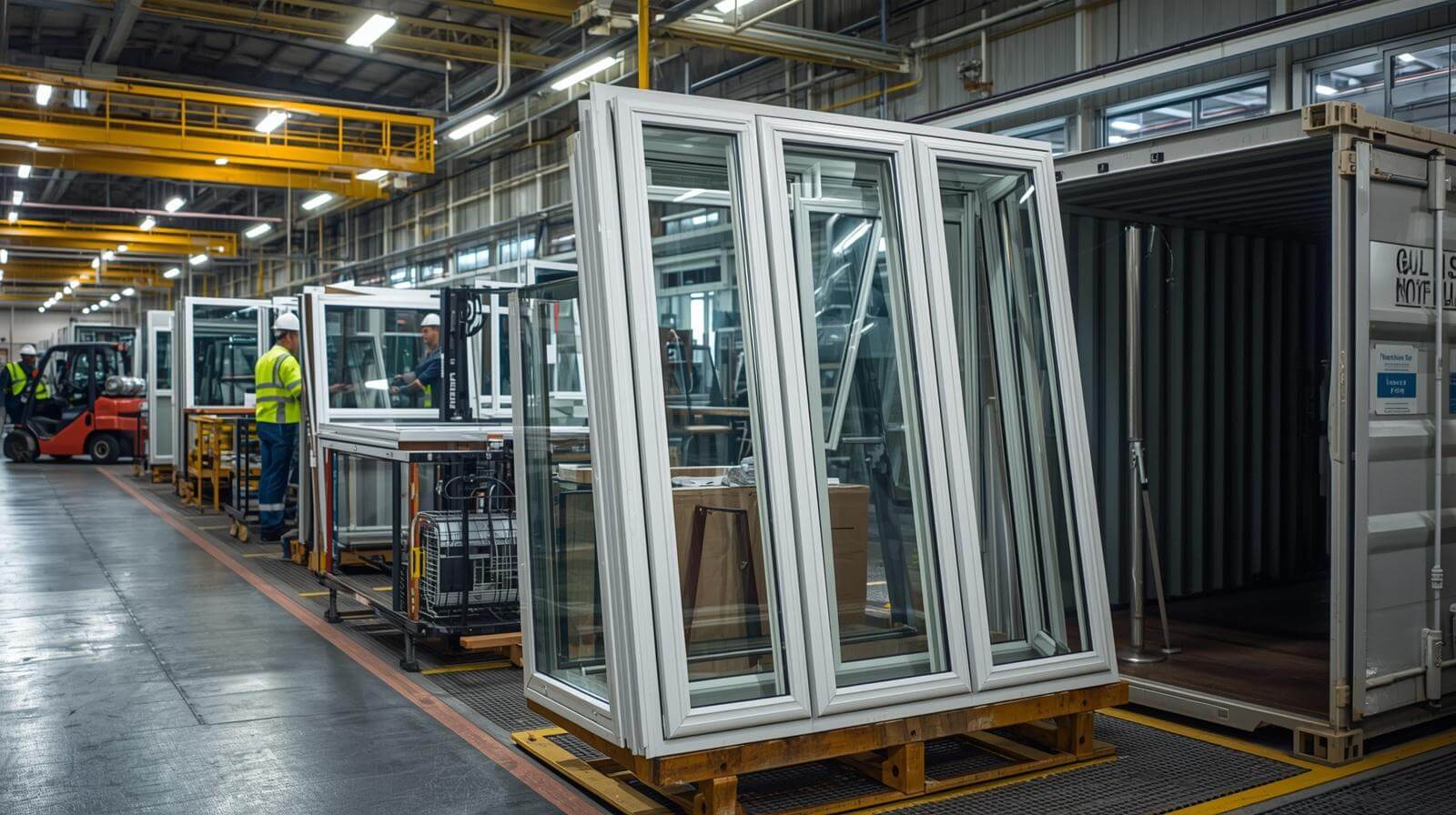
Efficient for container loading
Simple installation
2. Why Are Standard Sizes More Popular?
Overseas distributors prefer “standardized products” for very practical reasons:
Reduce inventory pressure
Improve sales turnover
Minimize installation errors
Reference:
According to guidelines from the International Code Council, most residential window sizes follow a “modular design principle” to facilitate construction and maintenance.
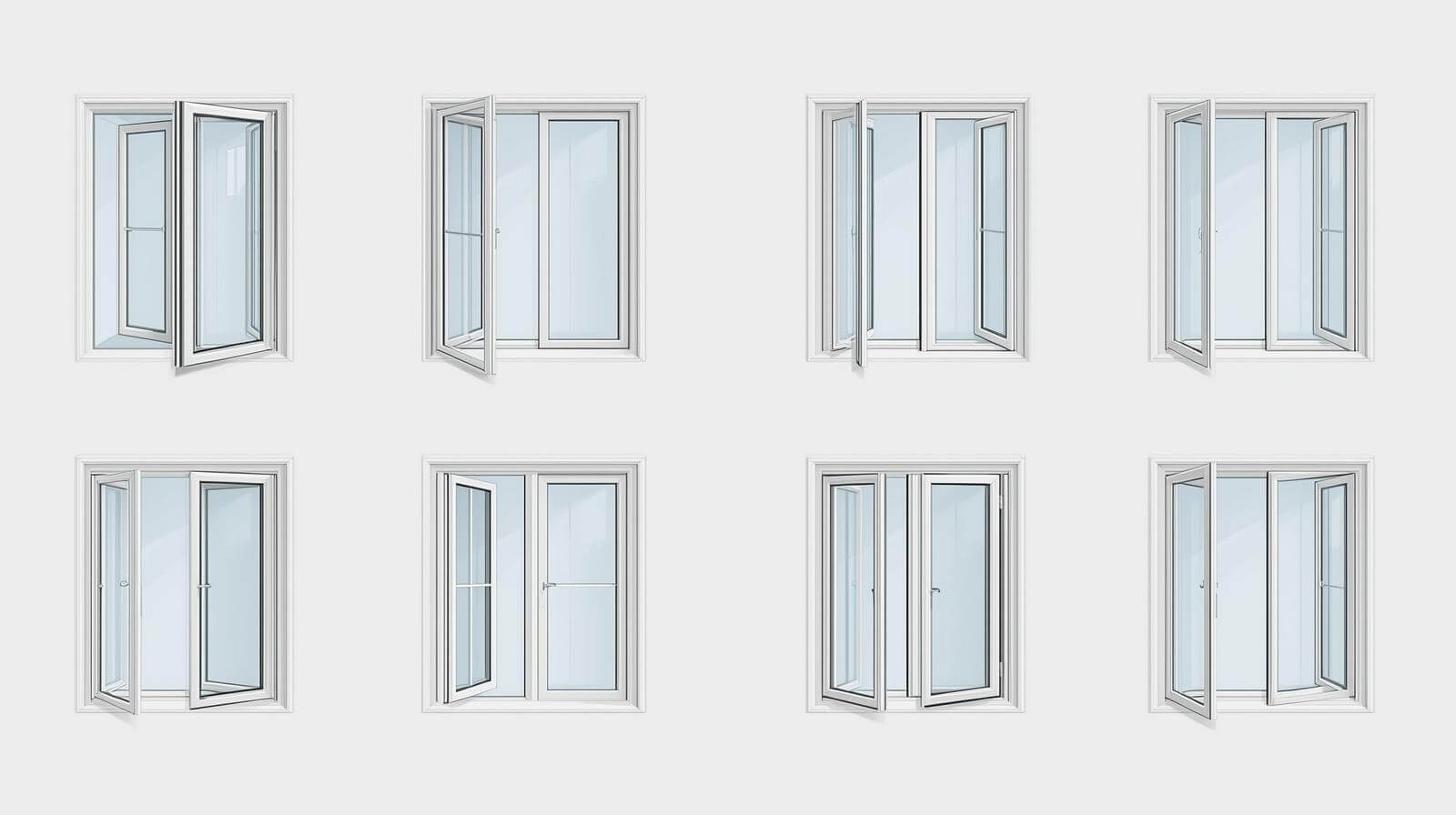
Besides size, configuration (opening type) directly affects sales.
1. casement upvc windows
One of the most popular types, especially in:
Middle East
Africa
South America
Advantages:
Good sealing performance
Strong water resistance
Suitable for sandy and dusty environments
This is one of the best-selling types at VIGORAWINDOWS.
2. sliding sash upvc windows
Suitable for:
Southeast Asia
Urban residential buildings
Advantages:
Space-saving
Lower cost
Easy maintenance
But:
Slightly weaker sealing
3. tilt and turn upvc windows
Main markets:
European projects
High-end residential buildings
Advantages:
Flexible ventilation
High safety
However:
Higher cost
More demanding installation
4. fixed upvc windows
Usually used in combination with other window types:
For lighting
To enhance overall design
Widely used in commercial projects.
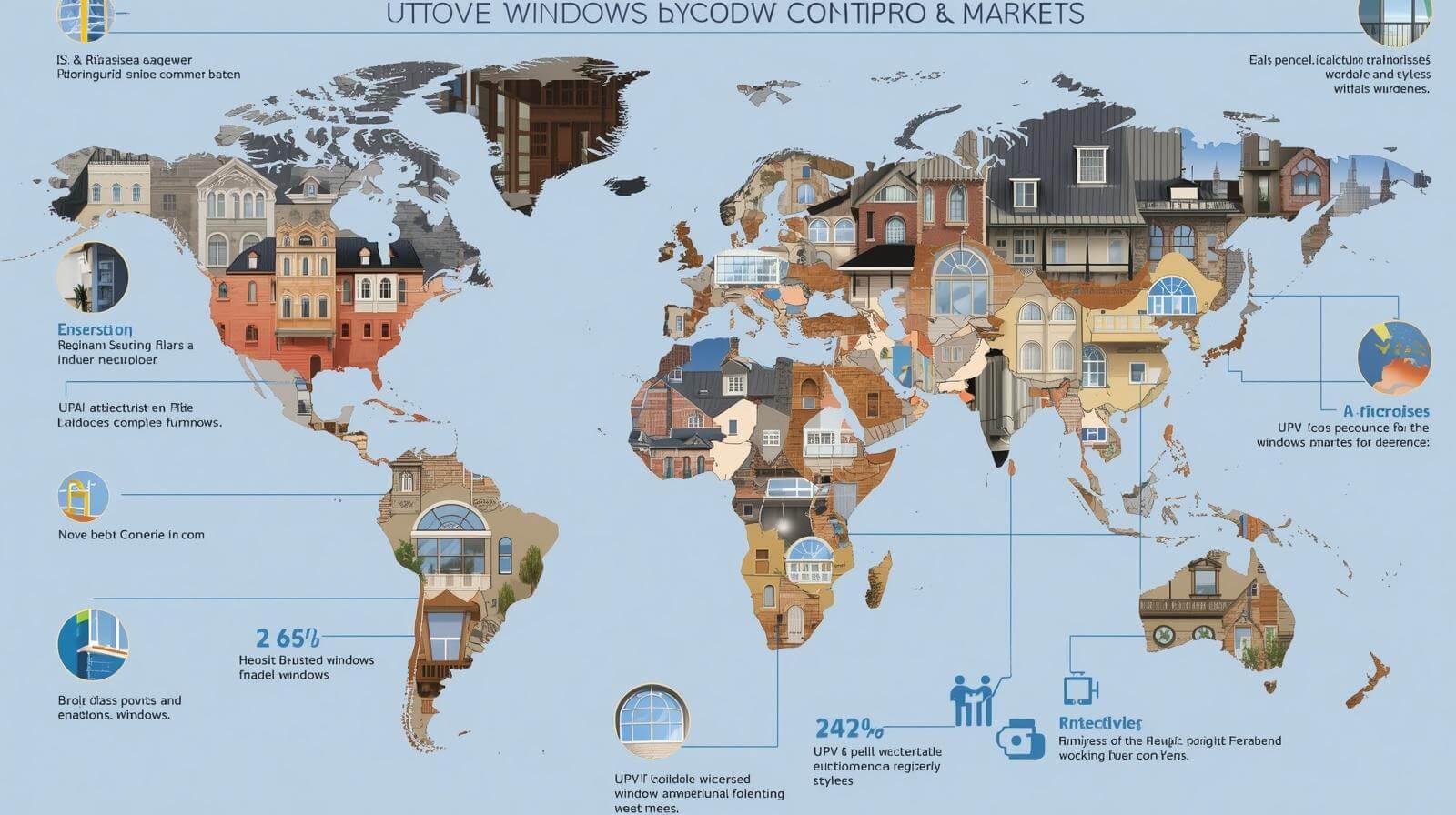
Understanding regional differences is key to improving conversion rates.
Middle East Market
Preference: casement upvc windows
Size: medium to large
Features:
Strong sealing requirements
Heat and sand resistance
Reference:
The Gulf Organization for Research and Development (GORD) highlights that buildings in hot climates require high airtightness and thermal insulation performance.
African Market
Preference: sliding sash upvc windows + casement
Size: standardized, smaller batches
Features:
Price-sensitive
Shipping cost-sensitive
Southeast Asian Market
Preference: sliding sash upvc windows
Size: medium to small
Features:
High ventilation demand
Hot and humid climate
South American Market
Preference: mixed configurations (casement + fixed)
Size: relatively large
Features:
Focus on design aesthetics
Preference for large glass areas
While standard sizes are important, more and more clients are asking for custom upvc window solutions.Why?
Diverse architectural styles
Strict requirements in government projects
Growing demand from high-end customers
Reference:
The World Green Building Council notes that customized windows can improve building energy efficiency and overall performance.
Our Practical Experience (VIGORAWINDOWS)
Based on past orders:
About 60% of clients choose standard sizes
About 40% require customization
Common customization requests:
Special sizes
Colors (grey, black)
Double or triple glazing
Wind and sand resistance design
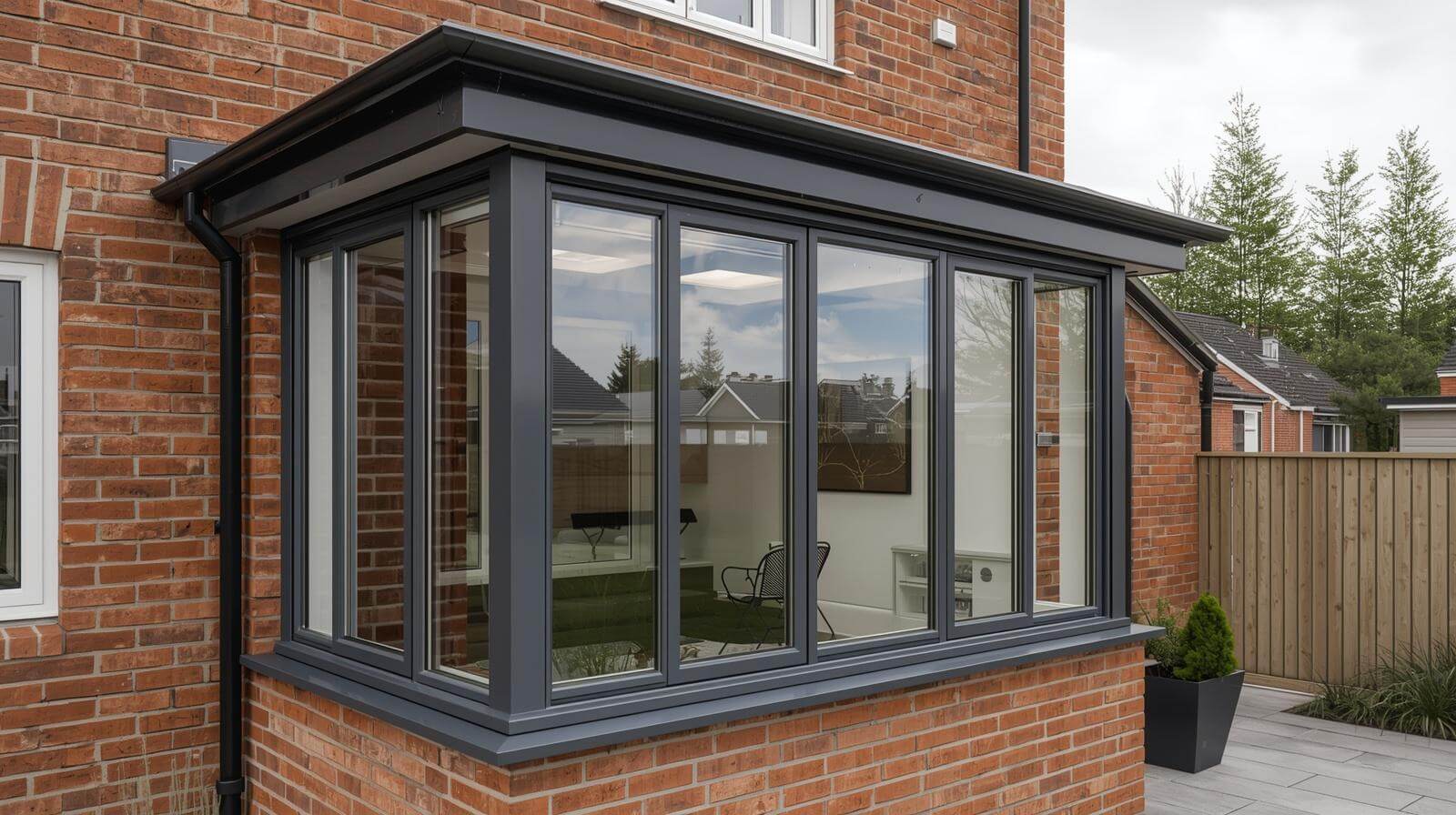
For overseas distributors, choosing a supplier is not just about price—it’s about reliability.Our Core Advantages:
1. Diverse Product Range
Covering aluminium windows + UPVC windows + doors
Meeting different market needs
2. Fast Delivery
Standard sizes available for quick production
Shorter lead time
3. Strong Customization Capability
Support for custom upvc window
Production based on project drawings
4. Stable Quality
Strict quality control
Suitable for long-term cooperation
5. Cost Advantage
Strong Chinese supply chain support
For distributors, this means:
Easier to close deals
Easier to achieve repeat orders
1. Which uPVC window type is best for tropical regions?
Casement upvc windows are recommended due to better sealing and water resistance.
2. Are sliding sash upvc windows suitable for high-rise buildings?
Yes, but enhanced sealing design is required to handle wind pressure.
3. Can fixed upvc windows be used alone?
They are usually combined with other window types to improve lighting.
4. Do overseas buyers prefer standard or custom sizes?
Distributors prefer standard sizes, while project-based buyers prefer custom upvc window.
5. Are tilt and turn upvc windows suitable for developing markets?
They are suitable for high-end projects, but demand is limited in price-sensitive markets.
If you are working in the overseas window and door business, don’t just focus on “what products to sell.” Instead, think about: what sizes and configurations your customers can sell more easily in their market.


